Orthopedic implants play a crucial role in bone repair and stabilization. However, not all implants are created equal. One critical distinction lies in their composition: biodegradable vs. non-biodegradable materials. What is the difference between biodegradable and non-biodegradable orthopedic implants?
Biodegradable implants, often made from polymers or natural materials, dissolve in the body over time. They promote natural healing and eliminate the need for a second surgery for removal. In contrast, non-biodegradable implants, typically made from metals or ceramics, remain permanently in the body. While they provide long-lasting support, they can sometimes complicate future surgeries.
This distinction is vital for both patients and healthcare providers. Understanding these differences can lead to better treatment decisions. As technology advances, the development of these implants continues to evolve. Balancing the effectiveness and safety of both types requires careful consideration.
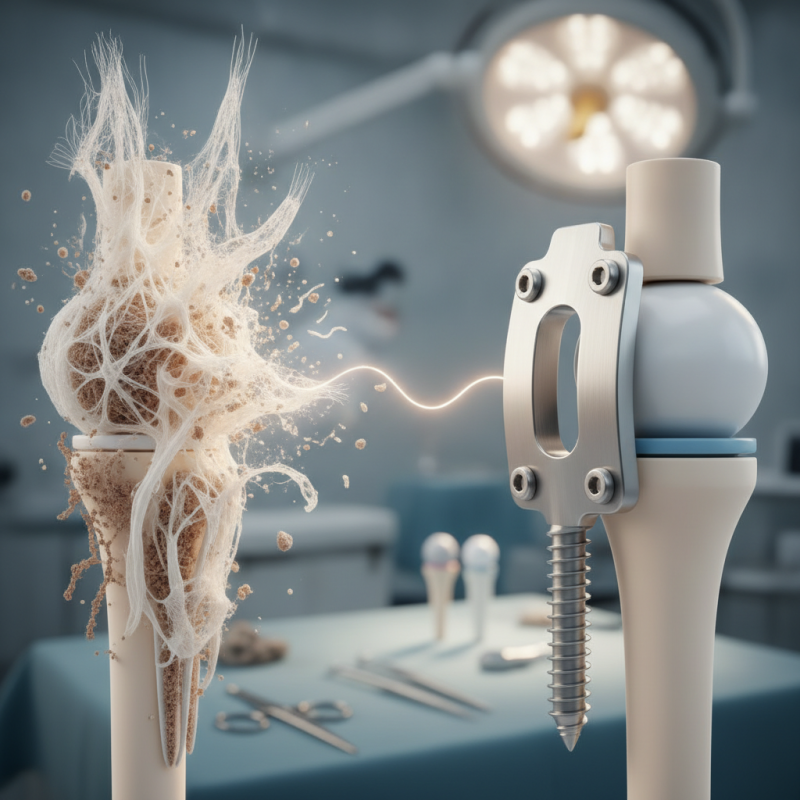
Biodegradable orthopedic implants are designed to break down naturally in the body. These implants are typically made from materials like polylactic acid or magnesium alloys. One key characteristic is their ability to support healing by providing mechanical stability and then gradually dissolving. This reduces the need for a second surgery to remove the implant. Surgeons appreciate the potential for improved patient outcomes, as these implants align with the body’s natural healing process.
When considering biodegradable implants, it's essential to understand their properties. They should be biocompatible, meaning they won't cause adverse reactions in the body. The degradation rate is also crucial; it needs to match the healing timeline of the surrounding tissue. Overly rapid degradation can lead to instability, while too slow may necessitate prolonged presence in the body.
Tips: Always consult with a medical professional to discuss the best options for your condition. Monitor any changes or symptoms post-implantation. The future of orthopedic care may rely heavily on these innovative materials. Consider how they can align with your health journey and treatment goals.
Biodegradable orthopedic implants offer numerous advantages over traditional non-biodegradable options. One key benefit is their ability to naturally degrade in the body. This eliminates the need for a second surgery to remove the implant after healing. The body can absorb these materials, reducing the risk of complications. For many patients, this means a smoother recovery experience.
These implants are made from materials that break down over time. As they degrade, they promote tissue regeneration. This process can enhance healing and lead to better outcomes for patients. However, the effectiveness of these implants can vary. The rate of degradation must align with the patient's healing process. If not, it might lead to issues that require careful management.
In some instances, biodegradable materials may not provide the same level of structural support as their non-biodegradable counterparts. Surgeons must weigh the pros and cons when choosing the right implant for each individual case. Continuous research and development are necessary to advance these materials. Improvements in this field could address current limitations, ensuring better reliability and outcomes for patients in the future.
Non-biodegradable orthopedic implants are made from materials that do not break down naturally in the body. These implants are often crafted from metals and certain polymers. Common examples include titanium and stainless steel. They offer strength and durability, essential for long-term support during healing. Their rigidity can stabilize fractures effectively. However, this characteristic can also pose challenges.
One significant concern is that non-biodegradable implants can lead to complications. Over time, they may cause inflammation or other reactions in the surrounding tissues. This can create additional pain or discomfort for patients. Surgeons must keep this in mind when selecting implants for specific cases. There is also the question of removal. In some situations, these implants need to be surgically extracted after their function is complete.
Despite their drawbacks, non-biodegradable implants play a crucial role in orthopedic procedures. They provide a reliable option for fracture fixation and joint replacements. For some patients, the risks may outweigh the benefits. Careful assessment and monitoring are essential. As research advances, understanding these materials continues to evolve, influencing future orthopedic practices.
| Characteristic | Biodegradable Implants | Non-Biodegradable Implants |
|---|---|---|
| Material Composition | Natural materials (e.g., polymers such as PLA, PGA) | Synthetic materials (e.g., titanium, stainless steel) |
| Degradation Process | Gradually absorbed by the body | Remain in the body indefinitely |
| Tissue Integration | Promotes natural tissue regeneration | Typically rigid, may impede tissue growth |
| Use Cases | Temporary supports in fractures, soft tissue repair | Long-term load-bearing structures, joint replacements |
| Risk of Complications | Low risk as they are absorbed by the body | Higher risk of infections and metal ion release |
| Cost | Generally lower due to simple manufacturing processes | Higher due to advanced technology and materials |
When considering orthopedic implants, the choice between biodegradable and non-biodegradable options can significantly impact patient outcomes. Non-biodegradable implants, often made of metals or polymers, provide lasting support. This is crucial for patients requiring long-term stability, especially in complex cases. Their resistance to wear and tear ensures durability, allowing for a reliable healing process.
Tips: Regular follow-ups after surgery are essential. This helps monitor the implant's performance and detect any issues early.
Non-biodegradable implants can be customized to suit specific anatomical needs. Surgeons can tailor these devices for better fit and function. Additionally, their strength can support weight-bearing activities, facilitating faster patient rehabilitation. However, there are potential concerns, such as the possibility of needing a second surgery to remove the implant if complications arise.
Tips: Discuss the potential need for follow-up surgeries with your healthcare provider. Understanding the risks helps in making informed decisions.
The longevity of non-biodegradable implants may raise questions about compatibility over time. Some patients experience discomfort or adverse reactions due to the implant material. Therefore, careful selection and follow-up care are critical in optimizing treatment outcomes.
This chart illustrates the comparative advantages of biodegradable and non-biodegradable orthopedic implants based on a count of their benefits. Non-biodegradable implants are recognized for having more advantages in terms of durability and long-term functionality in orthopedic applications.
Orthopedic implants play a crucial role in bone restoration and joint repair. Both biodegradable and non-biodegradable options are prevalent, with diverse applications across the medical field. Biodegradable implants offer a unique advantage. They gradually dissolve in the body, which eliminates the need for surgical removal. This feature can enhance patient comfort and recovery. For instance, magnesium and polymer-based implants are being researched extensively for their potential in healing fractures.
Conversely, non-biodegradable implants, usually made of materials like titanium and stainless steel, are widely utilized for their durability and reliability. They are ideal for long-term applications. However, these implants can lead to complications, such as infections or the need for future surgeries. Some patients experience discomfort from these permanent devices. The medical community is actively exploring hybrid models, combining both types to optimize patient outcomes.
The future of orthopedic implants is exciting and complex. Innovations focus on personalized medicine, tailoring implants based on the patient's needs. Advances in 3D printing technology will soon enable custom-fit implants. This not only improves performance but also minimizes risks. Researchers are driven by the vision of creating implants that can adapt over time. Developing smarter implants with bioactive properties is on the horizon as well, promising even more effective healing processes.
: Biodegradable orthopedic implants break down naturally in the body over time. They support healing before dissolving.
These implants are often made from polylactic acid or magnesium alloys. These materials help with stability and healing.
They reduce the need for a second surgery. Patients experience less discomfort during recovery compared to non-biodegradable options.
Biocompatibility is crucial. It ensures implants do not cause harmful reactions in the body after implantation.
If degradation occurs too quickly, it can lead to instability. This might interfere with proper healing.
Non-biodegradable implants are durable but may require further surgery. Biodegradable implants avoid this issue but have limitations.
Research includes 3D printing for custom implants and hybrid models combining biodegradable and non-biodegradable materials.
Yes, it’s important to monitor any changes or symptoms after getting implants. Consult a medical professional if needed.
Future trends include personalized medicine and smarter implants with bioactive properties for improved healing outcomes.
Biodegradable implants can support the body’s healing process, potentially leading to better overall patient outcomes in treatment plans.
The article titled "Difference Between Biodegradable and Non Biodegradable Orthopedic Implants" explores the fundamental characteristics and applications of these two types of implants. Biodegradable orthopedic implants are designed to gradually break down in the body, offering advantages such as reduced need for second surgeries and minimal long-term effects on surrounding tissues. In contrast, non-biodegradable orthopedic implants are made from materials that remain intact indefinitely, providing strength and stability for prolonged periods but often requiring surgical removal once healing is complete.
What is the difference between biodegradable and non-biodegradable orthopedic implants? The primary distinction lies in their material composition and interaction with bodily processes. While biodegradable options promote natural healing and reduce the risk of complications, non-biodegradable implants are preferred for high-stress applications where longevity and structural integrity are crucial. Both types have unique advantages, and ongoing research is focusing on optimizing their applications and exploring future trends in orthopedic practices.

Marin-one Medical